This post may contain affiliate links. As an Amazon Associate, I earn from qualifying purchases.
Have you ever felt a knot in your stomach before a high-stakes meeting, lost your appetite during a stressful week, or noticed your digestion acting up when anxiety hits? That isn’t just in your head. The link between stress and gut health is very real.
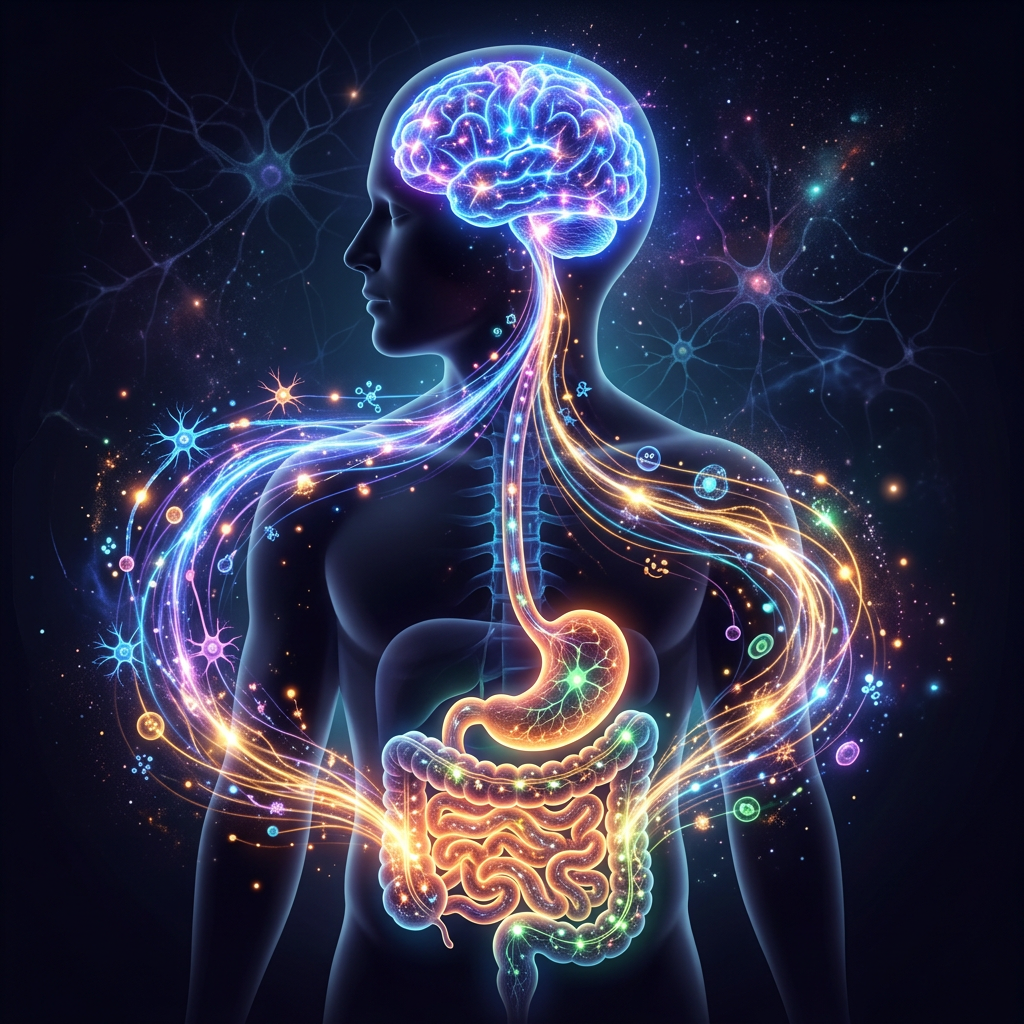
Your brain and digestive system are in constant communication through the gut-brain axis↗—a complex network connecting your brain, nervous system, hormones, and digestive tract. When your mind is under stress, your gut feels the strain immediately. Fortunately, the reverse is also true: when you soothe your digestive system, you signal safety to your entire nervous system.
Table of Contents
- How Stress and Gut Health Are Connected
- 5 Hidden Ways to Improve Stress and Gut Health
- Practice “Vagal Breathing” Before Meals
- Feed Your Gut’s “Good Guys” with Diversity
- Support Digestion with a Warm Post-Meal Routine
- Hydrate for Motility (Not Just Quenching Thirst)
- Build a “Nervous System Safety” Evening Routine
- Simple Ways to Support Stress and Gut Health Every Day
- Common Signs Stress Is Impacting Your Gut
- Frequently Asked Questions
- Continue Your Wellness Journey
How Stress and Gut Health Are Connected
When you are relaxed, your body operates in the “rest-and-digest” state (the parasympathetic nervous system). Understanding this connection is essential when exploring how stress and gut health impact your daily physical comfort. Here, your body efficiently:
- Breaks down food and absorbs vital nutrients.
- Maintains a balanced, healthy gut microbiome.
- Keeps your digestive tract moving smoothly.
However, chronic daily stress throws your body into “fight-or-flight” mode. Blood flow gets redirected away from your internal organs and toward your muscles. Stomach acid and digestive enzyme production plunge, and motility either speeds up (causing diarrhea) or slows down completely (causing constipation and bloating).
If left unchecked, this creates an exhausting cycle: stress disrupts your gut, and gut discomfort sends alarm signals back to your brain, driving anxiety and brain fog. Understanding how stress and gut health interact is the first step toward breaking that loop.
🌿 Related Reading: Read more about fight-or-flight mode in my guide, Stuck in Fight-or-Flight? 5 Signs Your Nervous System Needs a Reset.
5 Hidden Ways to Improve Stress and Gut Health
You don’t need an expensive wellness routine or a perfect diet to improve your stress and gut health. These five simple, often-overlooked habits can help support both your digestive system and your nervous system.
1. Practice “Vagal Breathing” Before Meals
Digestion starts before you chew your first bite. If you sit down to eat while checking work emails or scrolling on your phone, your body remains in fight-or-flight mode, hampering stomach acid production.
The Hidden Fix: Take three long, slow belly breaths before your first bite (inhale for 4 seconds, exhale for 6). Longer exhales stimulate the vagus nerve, signaling your body that it is safe to shift into “rest-and-digest” mode.
✨ Why This Works: Slow, extended exhalations activate the parasympathetic (“rest-and-digest”) nervous system, helping shift your body away from stress mode before you eat.

2. Feed Your Gut’s “Good Guys” with Diversity, Not Perfection
Your gut microbiome thrives on variety. When chronic anxiety alters your internal balance, feeding beneficial microbes is essential for long-term stress and gut health.
The Hidden Fix: Instead of worrying about strict diets, focus on plant diversity. Aim to include a variety of fiber sources each week like oats, chia seeds, leafy greens, berries, and legumes.
✨ Why This Works: Fiber acts as a prebiotic, feeding the microbes that produce mood-boosting neurotransmitters like serotonin.
3. Support Digestion with a Warm Post-Meal Routine
Rushing away from the table immediately after eating—or never giving yourself a chance to slow down—can make it harder to notice how your body feels. Many people also find that a warm beverage becomes part of a calming post-meal routine.
The Hidden Fix: Incorporate a warm herb like ginger to soothe occasional stomach discomfort and support general physical comfort.
✨ Why This Works: Warm beverages encourage you to slow down, while ginger has traditionally been used to support digestive comfort and ease occasional stomach upset.
🛒 Affiliate Pick: Sipping a hot cup of organic tea after meals doubles as a sensory grounding exercise. Try Starwest Organic Ginger Tea↗ for a warming, caffeine-free post-meal ritual.

4. Hydrate for Motility (Not Just Quenching Thirst)
Water supports nutrient absorption, digestion, and healthy bowel movements. Even mild dehydration slows down the muscle contractions that move food through your intestines which can contribute to sluggish energy and physical discomfort. When stressed, we often substitute water with excess caffeine, compounding the issue.
The Hidden Fix: Drink a large glass of room-temperature water first thing in the morning to awaken your digestive tract before caffeine touches your stomach.
✨ Why This Works: Hydration supports the muscle contractions that move food through your digestive tract while replacing fluids lost overnight.
🌿 Related Reading: Learn more about the benefits of hydration in Drinking More Water: 5 Surprising Benefits for Energy and Focus
5. Build a “Nervous System Safety” Evening Routine
Rest plays an important role when you want to maintain optimal stress and gut health. Sleep is when your gut repairs its lining and clears out waste, but high evening cortisol levels disrupt both deep sleep and tissue recovery.
The Hidden Fix: Set a strict “tech curfew” 45 minutes before bed. Blue light and mental stimulation can make it harder for your body to transition into the restful state that supports overnight recovery. Dim the lights and allow your body’s melatonin production to signal to your digestive system that it is time to rest and recover.
✨ Why This Works: Giving your brain time to wind down before bed supports healthier sleep, and quality sleep gives your digestive system time to rest, repair, and recover overnight.
🌿 Related Reading: Explore how rest impacts your wellbeing in The Importance of Sleep: 4 Proven Health Benefits
Simple Ways to Support Stress and Gut Health Every Day
The close connection between stress and gut health means that everyday anxiety directly impacts your digestion. Creating moments of calm and nervous system support throughout the day is one of the simplest ways to support stress and gut health over time.
Common Signs Stress Is Impacting Your Gut
- Persistent bloating or stomach discomfort
- Sudden bouts of diarrhea or constipation
- Nausea or erratic appetite changes
- Acid reflux or frequent indigestion
- Irritable Bowel Syndrome (IBS) flare-ups
🚨 When to Seek Medical Care
While lifestyle habits work wonders for functional stress relief, always consult a medical professional if you experience red-flag symptoms such as blood in your stool, unexplained weight loss, severe or sudden pain, persistent vomiting, or fever.

Small Steps, Lasting Relief
Improving stress and gut health isn’t about supplements, rigid rules, or instant overhauls. Your digestive system responds to how you live just as much as what you eat. By slowing down, introducing tiny moments of calm, staying hydrated, and nourishing your microbiome, you teach your body that it is safe to heal. Gentle, consistent steps are often the ones that last.
Your body isn’t working against you. It’s responding to the signals it receives every day. Even the smallest moments of nourishment, rest, hydration, and calm tell your body the same thing: you are safe enough to heal.
Frequently Asked Questions
Can stress really cause stomach problems?
Yes. Chronic stress activates your body’s fight-or-flight response, which redirects energy away from digestion. Over time, this can contribute to symptoms like bloating, nausea, stomach discomfort, constipation, diarrhea, acid reflux, or changes in appetite. Supporting your nervous system can often help support digestive comfort as well.
Can anxiety affect stress and gut health?
Absolutely. Anxiety and digestion are closely connected through the gut-brain axis. When your body perceives stress, digestion often slows or changes while your nervous system focuses on survival. This is why many people notice stomach discomfort, appetite changes, or bowel habit changes during stressful periods.
How long does it take for stress to affect your gut?
For some people, digestive changes happen almost immediately during stressful situations. Others may notice symptoms developing gradually after weeks or months of ongoing stress. Recovery also varies, but building small, consistent habits that support both your nervous system and digestion can make a meaningful difference over time.
What foods help support gut health during stressful times?
A varied, fiber-rich diet helps nourish the beneficial bacteria in your gut. Foods such as oats, beans, lentils, berries, leafy greens, chia seeds, flaxseed, yogurt (if tolerated), and fermented foods like kefir or sauerkraut may help support a healthy gut microbiome. Staying hydrated is just as important for healthy digestion.
Can improving gut health reduce stress?
The relationship between stress and gut health works both ways. Supporting your gut health may also support your overall sense of well-being because your gut and brain are constantly communicating through the gut-brain axis. While improving digestion isn’t a cure for stress or anxiety, nourishing your body, staying hydrated, sleeping well, and practicing stress-management techniques can all work together to support both gut and nervous system health.
Do I need expensive supplements to improve gut health?
Not necessarily. While supplements can be helpful in some situations, many people benefit from focusing first on consistent daily habits like eating a variety of fiber-rich foods, drinking enough water, managing stress, getting quality sleep, and slowing down during meals. Gentle, sustainable habits often create lasting change.
🌿 Continue Your Wellness Journey:
If today’s article resonated with you, here are a few more places to continue your wellness journey:
🌿 Stuck in Fight-or-Flight? 5 Signs Your Nervous System Needs a Reset
🌿 Daily Support: 10 Simple Ways to Support Your Nervous System Daily
🌿 Recovery: The Wonders of Magnesium: 8 Hidden Ways to Rest and Recover
🌿 Hydration Basics: Drinking More Water: 5 Surprising Benefits for Energy and Focus
Need a Simple Reset During Overwhelming Days?
Join the Thrive Serenity Wellness newsletter and receive the free 5-Minute Simple Stress Guide designed to help you calm your mind, reduce overwhelm, and reconnect with supportive daily habits in just a few minutes a day.
You’ll also receive:
- new blog updates and wellness resources
- gentle wellness tips
- stress support tools
- mindful habit-building encouragement
Looking for an Easy Way to Track Your Wholesome Habits?
Bring structured planning, gentle consistency, and daily meal logging to your routine completely at your own pace. Browse our self-guided, print-ready tracking templates, like Printable Routine & Habit Trackers, available instantly in the Digital Library.
Disclosure: This post contains affiliate links. If you purchase through these links, I may earn a small commission at no additional cost to you. I only recommend products I genuinely believe can support a balanced wellness routine. This content is for educational purposes only and does not substitute for professional medical advice, diagnosis, or treatment. Always consult a qualified healthcare professional regarding medical concerns or before starting new supplements.