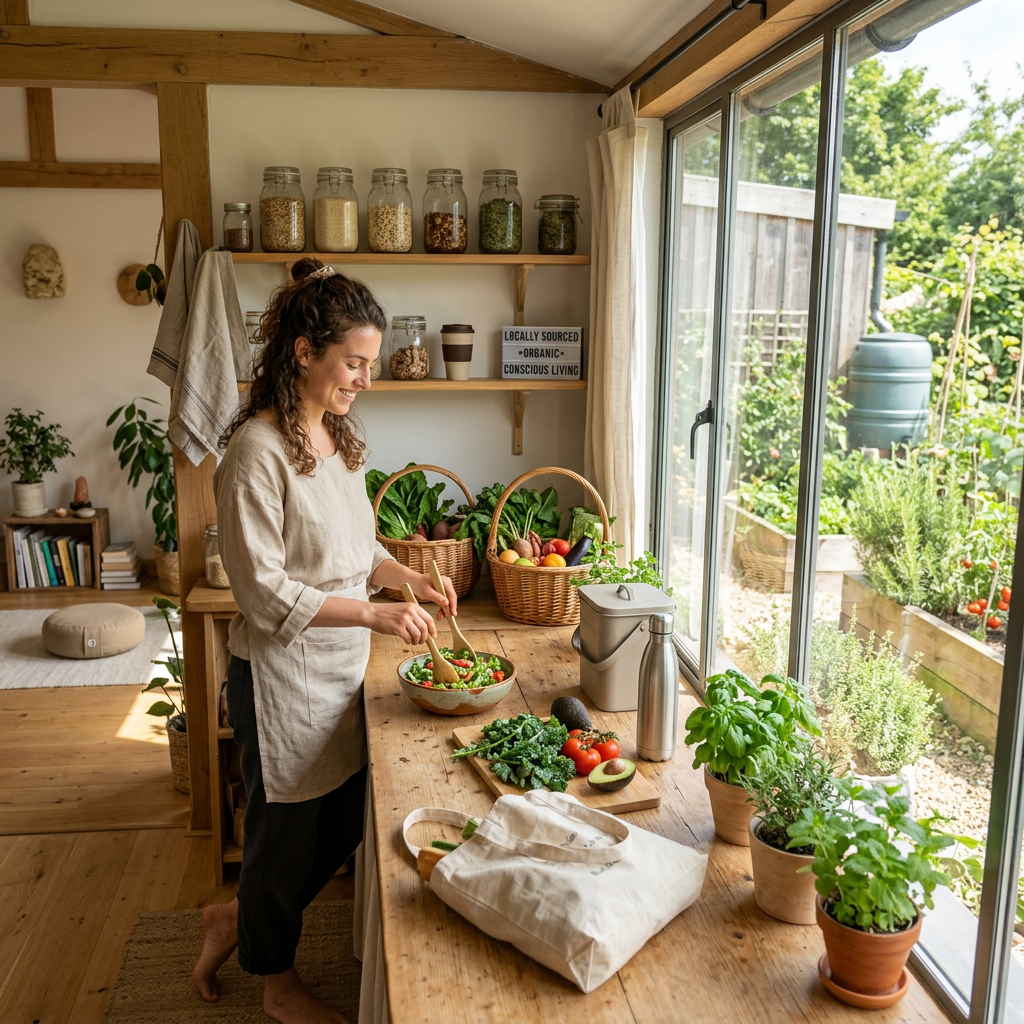
Why letting go of extreme all-or-nothing wellness standards is the secret to building sustainable, peaceful habits that actually fit your real life.
This post may contain affiliate links. As an Amazon Associate, I earn from qualifying purchases.
There’s a common belief in wellness culture that change only “counts” if you do everything perfectly.
We are told to drink a gallon of water every day, wake up at 5:00 AM, log intense workouts, meal-prep every single weekend, meditate without fail, and execute a flawlessly curated 10-step routine. The moment you miss a habit, skip a workout, enjoy an unmeasured meal, or experience a few days of low motivation, a subtle voice whispers that you have failed completely.
That is the hidden trap of all-or-nothing wellness.
Somewhere along the line, caring for ourselves stopped feeling supportive and started feeling like a high-stakes performance. When health becomes rigid, it stops nourishing your life and starts creating exhaustion. Real, long-term vitality isn’t built on rigid perfection—it is built on soft consistency, self-compassion, and habits that stretch to accommodate real human days.
Table of Contents
- Reason 1: Extreme Routines Lead to Inevitable Burnout
- Reason 2: Perfection Kills the Power of Micro-Habits
- Reason 3: Guilt Distorts Your Nervous System Balance
- Reason 4: Real Life Is Cyclical, Not Linear
- Reason 5: Consistency Over Intensity Builds True Resilience
- Finding Your Personal Wellness Rhythm
- Frequently Asked Questions
- Important Note
- Final Thoughts

Why All-or-Nothing Wellness Feels Like Punishment
Social media often promotes highly curated, ultra-optimized versions of wellness that can make healthy living feel unattainable. We see crisp morning sunlight, pristine meal containers, clean kitchen counters, and unbroken habit streaks. While these images can be inspiring, they rarely show the background reality: busy work schedules, parenting demands, physical fatigue, stress, financial worries, and shifting emotional energy.
Real life is not perfect. Some days are exhausting. Some seasons are overwhelming. Sometimes you’re simply doing the best you can with the energy, time, and daily capacity you have. When wellness becomes another impossible standard to meet, it can create guilt, burnout, and the feeling that if you cannot do everything, there’s no point in trying at all.
Remember: Caring for yourself should feel like a sanctuary—not an audit. Wellness should support your life not become another source of stress.
1. Extreme Routines Lead to Inevitable Burnout
The first reason to abandon the all-or-nothing wellness is that extreme routines are fundamentally unsustainable. Going from zero habits to trying to manage six new, intense daily goals places immense pressure on your mind and body.
When you attempt to transform your whole life overnight, your nervous system interprets that abrupt shift as stress. You might maintain the extreme effort for a week or two through sheer willpower, but the moment life throws an obstacle—a tight deadline, a sick child, or poor sleep—the entire structure collapses.
Moving away from all-or-nothing wellness prevents the painful cycle of sprinting, burning out, abandoning your goals, and feeling like you have to restart from scratch.
2. Perfection Kills the Power of Micro-Habits
When you believe that only all-or-nothing wellness matters, you overlook the incredible power of tiny, daily acts of care. You assume that if you don’t have an hour for a full workout, 5 minutes of light stretching isn’t worth doing. Or if you can’t cook a complex whole-food meal, grabbing a simple fruit or a glass of water doesn’t count.
You do not need an elaborate routine to begin caring for yourself. Sometimes wellness looks like slowing down for a few quiet moments with a warm cup of tea instead of rushing through another stressful day. I personally love keeping calming herbal teas nearby as a simple reminder to pause and reset. In reality, small choices carry immense cumulative value over time:
- 1 Mindful Sip: Steeping a warm mug of herbal tea during a stressful afternoon signals to your nervous system that you are safe to slow down.
- 1 Glass of Water: Rehydrating when you wake up gently supports your body’s baseline energy.
- 1 Intentional Minute: Taking three deep belly breaths at your desk interrupts the physical stress response before it escalates.
Sometimes wellness can be writing down your priorities, organizing your thoughts, and creating structure that feels supportive instead of overwhelming. Sometimes movement does not need to be intense to matter. Stretching, yoga, grounding exercises, or a short walk can still support your physical comfort and mental clarity. Even a few intentional minutes on a yoga mat can make a difference.
🛒 Quick Pick: Gentle Tools for Daily Ease
- Soothing Pause: Starwest Chamomile Tea for an unhurried afternoon reset.
- Hydration Companion: A time-marked motivational water bottle to encourage easy, pressure-free hydration. One of my favorite options is this time-marked motivational water bottle.
- Mindful Movement: An extra-thick yoga mat like this one to make short, restorative stretches feel inviting.
🌿 Related Reading: Explore Drinking More Water: 5 Surprising Benefits for Energy and Focus to learn how restorative habits work together. Read how movement can support your wellness in our guide on The Benefits of Walking: 10 Reasons to Start This Simple Habit.
3. Guilt Distorts Your Nervous System Balance
When your health philosophy relies on “doing everything right,” slipping up inevitably triggers self-criticism and shame. Ironically, shame and guilt elevate cortisol—your body’s primary stress hormone. Chronic stress negatively impacts digestion, disrupts sleep, lowers physical energy, and inflames your nervous system.
When you beat yourself up for skipping a workout or eating convenience food, the emotional stress you inflict on your body is often more damaging than the missed habit itself! Releasing the all-or-nothing wellness thinking allows you to replace self-judgment with curiosity, keeping your body in a calm, rest-and-digest state.
🌿 Related Reading: Discover how emotional stress directly impacts your digestive tract in our complete guide on Stress and Gut Health: 5 Hidden Ways to Restore Balance.
4. Real Life Is Cyclical, Not Linear
Human beings are not machines. Your energy, capacity, focus, and physical needs fluctuate naturally depending on the day, week, or season of life.
There will be seasons where you have abundant energy to cook vibrant meals, lift weights, and wake up early. There will also be seasons—such as busy work deadlines, family transitions, or periods of healing—where success simply looks like drinking enough water, taking your basic supplements, and getting to sleep on time.
An all-or-nothing wellness mindset treats you like a static system that should perform identically every day. Flexible wellness honors your life’s natural seasons, allowing your daily habits to expand or shrink based on your real-time capacity.
5. Consistency Over Intensity Builds True Resilience
True resilience is not born from how hard you push when conditions are perfect; it is built by how gently you keep showing up when things are messy.
When you abandon the all-or-nothing wellness mindset, you realize that 10% effort on an exhausted day is infinitely better than 0% effort.
- Walking around the block for 8 minutes is better than staying on the couch for an hour feeling guilty.
- Eating one serving of vegetables alongside your takeout meal is better than writing the whole day off as a loss.
- Reading two pages of a book before bed is better than scrolling on your phone out of frustration.
Consistency is simply keeping the door open to self-care, no matter how small the action looks from the outside.
🌸 Quick Pick: Low-Pressure Planning Tools
- Structured Clarity: A flexible, un-dated planner to help you organize priorities without feeling punished by missed days.
- Habit Tracking: Gentle, print-ready habit tracking templates available in our →Digital Library to honor progress over perfection.
🌿 Related Reading: Learn how small, daily evening rituals can transform your sleep quality in our deep dive on The Wonders of Magnesium: 8 Hidden Ways to Rest and Recover.

Finding Your Personal Wellness Rhythm
Moving away from all-or-nothing wellness grants you permission to redefine what success looks like on your own terms. Sustainable wellness looks different for everyone. For some people, wellness looks like rebuilding daily routines, and for others it looks like learning to rest without guilt.
For you, sustainable wellness might look like:
- Choosing a 15-minute gentle walk instead of a grueling workout.
- Enjoying a quiet cup of tea in the afternoon as your primary act of stress management.
- Rebuilding your baseline daily routine slowly, adding just one habit every few weeks.
- Allowing yourself to rest completely without feeling compelled to earn it.
You are allowed to move at a soft, unhurried pace. You are allowed to set boundaries, have imperfect days, chaotic weeks, and shifting priorities. Wellness does not need to be extreme to be meaningful. It is an ongoing relationship with yourself built on flexibility, awareness, and kindness.
Frequently Asked Questions About All-or-Nothing Wellness
How do I break the habit of all-or-nothing thinking?
Breaking this mindset starts with building self-awareness. Notice when your brain uses absolute words like “always,” “never,” “failed,” or “ruined” regarding your health choices. When you catch yourself thinking, “I missed my morning workout, so today is ruined,” gently reframe it to: “I didn’t work out this morning, but I can still support my body by drinking water and getting to sleep on time tonight.”
Is it really worth doing a 5-minute workout or stretch?
Yes, absolutely! A 5-minute movement session may not burn high amounts of calories, but it maintains the neurological pathway of the habit, improves joint mobility, releases muscular tension, and signals to your mind that you care for your body. Maintaining the momentum of showing up is far more valuable long-term than the duration of the activity itself.
How do I stay motivated without strict rules or deadlines?
Focus on how habits make you feel right now, rather than abstract goals in the distant future. Rigid rules rely on short-term willpower, whereas feeling more patient, clear-headed, and physically comfortable creates natural intrinsic motivation. Ask yourself: “What small choice will help me feel more supported and grounded today?”
IMPORTANT NOTE
This article is intended for educational, motivational, and lifestyle inspiration purposes only. It is not intended to provide or replace professional medical, psychological, or mental health advice. If you are struggling with chronic burnout, anxiety, or disordered relationships with food or exercise, please consult a qualified healthcare professional or licensed counselor.
Final Thoughts
You do not need to completely transform your life overnight for your wellness efforts to matter. Small choices practiced consistently often create far more meaningful, lasting change than extreme routines ever could. Instead of asking yourself how you can do everything perfectly, try asking yourself a softer question:
“What is one small thing I can do to support myself today?”
That single small step still counts.
Join the Thrive Serenity Wellness Community
If you are looking for practical, realistic wellness inspiration without the pressure of perfection, join the Thrive Serenity Wellness newsletter. You will receive our free 5-Minute Simple Stress Guide designed to help you calm your mind, release daily overwhelm, and cultivate peace in just a few minutes a day.
Looking for a Realistic Way to Guide Your Progress?
Break down complex routines, organize your baseline energy levels, and track your daily wellness milestones completely at your own pace. Browse our self-guided tracking layouts, like Printable Reflection Journals & Planners, available instantly in the Digital Library.
Leave a Reply