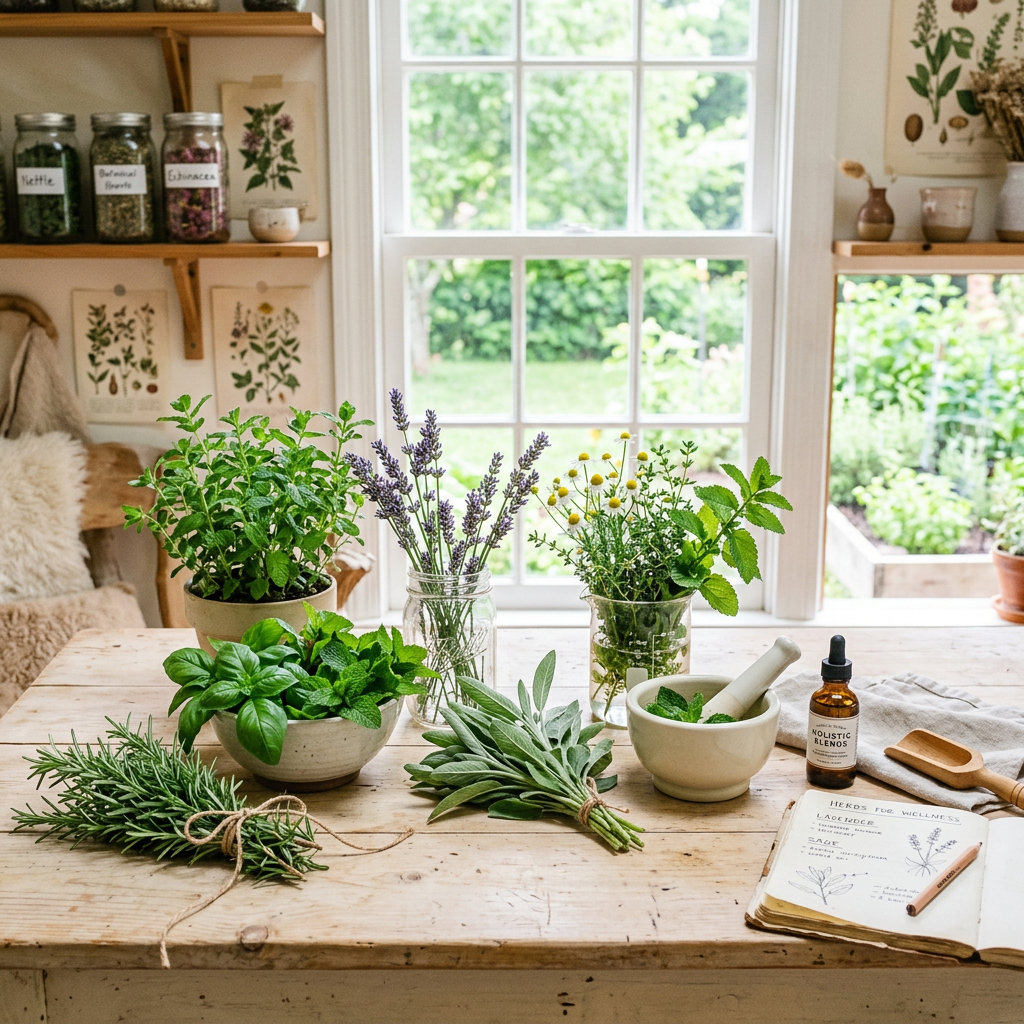
Discover simple herbal remedies and traditions that may help support relaxation, stress management, and daily well-being.
This post may contain affiliate links. As an Amazon Associate, I earn from qualifying purchases.
Many of us want to feel healthier, calmer, and more balanced, but modern wellness advice can often feel overwhelming. Between complicated routines, expensive supplements, and endless information online, it’s easy to feel like self-care requires a complete lifestyle overhaul.
The truth? Wellness often begins with small, consistent habits.
For centuries, simple herbal remedies have been used in traditional practices to support relaxation, digestive comfort, and daily well-being. Whether it’s a refreshing morning sip or a soothing evening brew, these gentle herbal allies can help create moments of peace in a busy day.
Important: The information in this article is for educational purposes only and is not intended to diagnose, treat, cure, or prevent any disease. Always consult a qualified healthcare professional before using herbs, especially if you are pregnant, nursing, taking medications, or have a medical condition.
Table of Contents
- How to Choose Your Herbal Allies: Daily Timeline
- 5 Simple Herbal Remedies for Everyday Wellness
- Ginger — Morning Warmth & Digestive Spark
- Peppermint — Morning Refreshment & Mental Clarity
- Lemon Balm — Afternoon Stress Relief & Balanced Focus
- Lavender — Evening Calm & Sensory Grounding
- Chamomile — Evening Bedtime Ritual
- How to Create a Simple Herbal Remedies Routine
- Frequently Asked Questions
- Final Thoughts
How to Choose Your Simple Herbal Remedies: Your Daily Timeline
Not every herb supports wellness in the same way. Some are naturally energizing and warming, while others help ease daily tension or signal to your body that it’s time for sleep.
A great way to build an intuitive herbal routine is to align your tea selection with the flow of your day:
Morning (Awaken & Digestion): Start your day with Ginger or Peppermint to stimulate digestion, warm the body, and awaken your senses without caffeine.
Afternoon (Focus & Calming Ease): Transition through the midday slump with Lemon Balm, which helps soothe mental stress while maintaining gentle focus.
Evening (Wind-Down & Rest): Prepare for bed with Chamomile or Lavender to release physical tension and signal to your nervous system that it’s time to sleep.
As you read through the simple herbal remedies below, think about how you hope to feel, not just which herb sounds interesting. Building an herbal routine often starts with choosing one herb that fits your current season of life.
5 Simple Herbal Remedies for Everyday Wellness
1. Ginger (Zingiber officinale) — Morning Warmth & Digestive Spark

Ginger is a vibrant, warming root celebrated around the world for its bold flavor and invigorating nature. Many people enjoy fresh ginger in tea, cooking, or warm beverages throughout the colder months. Others reach for ginger tea after meals as part of a comforting digestive routine.
Traditional Use: In Traditional Chinese Medicine (TCM) and Ayurveda, ginger has been used as a warming remedy to kindle “digestive fire,” soothe nausea, and promote healthy circulation.
🌱 Did You Know?
Ginger has been used in culinary and wellness traditions across Asia for thousands of years.
Why It’s Popular: It is a go-to natural remedy for sluggish digestion, morning discomfort, and cold afternoons when you need a caffeine-free pick-me-up.
Simple Everyday Uses: Brew a cup of ginger tea first thing in the morning to awaken your stomach before coffee. Sip warm ginger tea 15–20 minutes after a heavy meal to encourage digestion.
🛒 Helpful Tool: Try Starwest Organic Ginger Tea for a pre-measured, warming brew.
🌿 Related Reading: Learn how ginger supports digestive flow in Stress and Gut Health: 5 Hidden Ways to Restore Balance
2. Peppermint (Mentha piperita) — Morning Refreshment & Mental Clarity

Peppermint is an aromatic mint with a crisp, cooling taste and invigorating aroma. While peppermint is often associated with digestive comfort, many people also find it has a refreshing scent that is mentally uplifting as well. It can help create a sense of mental clarity, refreshment, focus, and invigoration. Peppermint tea is a simple way to enjoy its benefits while staying hydrated throughout the day.
Traditional Use: Historically, peppermint was prized as a post-feast digestive aid and a soothing remedy for tension.
🌱 Did You Know?
Peppermint is actually a natural hybrid of watermint and spearmint.
Why It’s Popular: Its crisp flavor instantly clears the palate, refreshes breath, and provides an uplifting sense of mental focus without jittery energy.
Simple Everyday Uses:
- Drink a cup mid-morning for a clean, caffeine-free focus boost.
- Keep peppermint tea on hand after lunch to reduce post-meal bloating or heaviness.
- Inhale the steam from a hot cup of peppermint tea to open up your senses during a busy workday.
🛒 Helpful Tool: Enjoy a crisp cup of Starwest Organic Peppermint Tea
3. Lemon Balm (Melissa officinalis) — Afternoon Stress Relief & Balanced Focus

A bright, lemon-scented member of the mint family, lemon balm is a beloved herb that gently supports the nervous system. Lemon balm is one of many simple herbal remedies that people enjoy incorporating into their wellness practices. Lemon balm is a gentle herb that can be enjoyed during periods of stress or mental overwhelm as part of a calming self-care routine. Its light citrus aroma makes it a popular ingredient in herbal teas, tinctures, and aromatherapy blends.
Traditional Use: In the past, lemon balm has been steeped in wine to lift spirits, soothe anxious thoughts, and relieve tension-induced stomach discomfort.
🌱 Did You Know?
Lemon balm has been cultivated in monastery and cottage gardens for centuries because of its pleasant aroma and traditional wellness uses.
Why It’s Popular: It hits the sweet spot between relaxing and clarifying—helping ease midday overwhelm without making you feel drowsy.
Simple Everyday Uses:
- Steep a warm cup during your 2:00 PM workday lull to tame afternoon stress.
- Enjoy it iced with a splash of fresh lemon on warm summer afternoons.
- Blend it with peppermint for a refreshing, calm-yet-focused herbal blend.
4. Lavender (Lavandula angustifolia) — Evening Calm & Sensory Grounding

Lavender is perhaps one of the most recognized herbs for relaxation, known for its soft floral scent. Lavender is commonly used in aromatherapy, bath products, herbal teas, pillow sprays, or essential oil blends. Famous for its distinct purple blossoms and rich essential oils, lavender is the ultimate botanical symbol of relaxation.
Traditional Use: Lavender has been used for centuries in baths, sachets, and aromatherapy because of its calming fragrance and association with evening relaxation.
🌱 Did You Know?
Lavender fields are harvested not only for fragrance, but also for culinary herbs, soaps, and botanical crafts.
Why It’s Popular: The scent of lavender is instantly recognizable and quickly signals to the brain that it is safe to slow down and decompress.
Simple Everyday Uses:
- Add 3–5 drops of pure lavender essential oil to a bedroom diffuser 30 minutes before sleep.
- Sprinkle dried lavender flowers into an evening bath with Epsom salts.
- Spray a light lavender linen mist onto your pillow as part of a bedtime ritual.
🛒 Helpful Tool: Use Starwest Botanical Dried Lavender for custom teas, baths, or sachets.
🌿 Related Reading: Explore more aroma rituals in The Benefits of Essential Oils & Aromatherapy for Everyday Wellness
✨ Looking for more natural lavender-inspired products? Explore aromatherapy products at The Resting Root.
5. Chamomile (Matricaria chamomilla) — Evening Bedtime Ritual

Chamomile is a gentle, daisy-like flower known for its sweet, apple-like aroma and soothing properties. Chamomile has long been associated with relaxation and bedtime routines. Often enjoyed as a tea, chamomile is a favorite for people looking to create a calming evening ritual. A warm cup of chamomile tea can become a simple signal to your mind and body that it’s time to slow down.
Traditional Use: One of the oldest recorded medicinal herbs, chamomile has been used for ages to soothe nervous stomachs, calm cranky children, and encourage deep rest.
🌱 Did You Know?
The name “chamomile” comes from Greek words meaning “ground apple,” a nod to the herb’s naturally sweet, apple-like fragrance.
Why It’s Popular: It is the quintessential bedtime tea—gentle, reliable, and deeply comforting after a long, demanding day.
Simple Everyday Uses:
- Brew a strong cup 30–45 minutes before bed as part of a screen-free wind-down routine.
- Blend with a touch of raw honey to soothe an unsettled evening stomach.
- Combine with lavender or lemon balm for a multi-herbal sleep nightcap.
🛒 Helpful Tool: Relax with a warm cup of Starwest Organic Chamomile Tea
How to Create a Simple Herbal Remedies Routine
One of the most powerful things about simple herbal remedies isn’t just the herbs themselves—it’s the routine.
- The act of turning off your screen.
- Waiting for the kettle to boil.
- Holding a warm mug in your hands.
- Inhaling the herbal steam.
The tea is only part of the experience. Slowing down, taking a deep breath, and stepping away from life’s demands create an environment where your body feels safe to shift from “fight-or-flight” into “rest-and-digest.”
Sometimes wellness isn’t about adding more to your life. Sometimes it’s about creating small moments that help you feel supported. Sometimes those quiet moments are just as nourishing as the herbs themselves.
🌿 Related Reading: Discover how to build habits that stick in 8 Practical Ways to Create Sustainable Self-Care Routines.
Frequently Asked Questions
Are simple herbal remedies safe?
While many herbs have a long history of safe traditional use, they contain active botanical compounds. They can interact with medications or may not be suitable during pregnancy. Always consult a healthcare professional before adding new herbs to your routine.
What’s the best herb for relaxation?
Chamomile and lavender are widely considered the gold standard of simple herbal remedies for evening relaxation and bedtime support.
Can I combine different herbal teas?
Yes! Mixing herbs like Chamomile and Lemon Balm for an evening calm, or Peppermint and Ginger for active digestion is a traditional practice of simple herbal remedies. Start with simple two-herb blends to see how your body responds.
Can I drink herbal tea every day?
Most gentle culinary herbs like peppermint, ginger, and chamomile are widely enjoyed daily. However, rotating your herbs occasionally is a great practice to give your body variety. The best choice depends on the specific herb, your health history, and any medications you take. If you’re unsure, talk with your healthcare provider before making herbal teas a daily habit.
How often should I use simple herbal remedies?
Many people incorporate herbs into their daily wellness routines through teas, aromatherapy, or self-care rituals. Consistency is often more important than complexity.
Final Thoughts
Wellness doesn’t have to be complicated. You don’t need dozens of expensive supplements or elaborate 10-step routines.
Sometimes, wellness begins with a simple cup of tea, a calming scent, or a quiet moment to simply breathe. Small, consistent routines are often the ones that leave the deepest impact on your long-term health.
🌿 Continue Your Wellness Journey
If today’s article resonated with you, here are a few more places to continue your wellness journey:
🌿 Aromatherapy Basics: The Benefits of Essential Oils & Aromatherapy for Everyday Wellness
🌿 Sustainable Habits: 8 Practical Ways to Create Sustainable Self-Care Routines
🌿 Nighttime Recovery: The Wonders of Magnesium: 8 Hidden Ways to Rest and Recover
Explore More Calm & Wellness Resources
If you enjoy creating calming daily rituals, you may also love:
Explore our self-guided botanical recommendations over at The Resting Root.
Try Starwest Organic Teas for calming evening routines. To build an even deeper foundation for nighttime physical relaxation, explore how magnesium can impact nighttime physical comfort and restorative sleep.
Need a Simple Reset During Stressful or Overwhelming Days?
Join the Thrive Serenity Wellness newsletter and receive the free 5-Minute Simple Stress Guide designed to help you calm your mind, reduce overwhelm, and reconnect with supportive daily habits in just a few minutes a day.
You’ll also receive:
- new blog updates and wellness resources
- gentle wellness tips
- stress support tools
- mindful habit-building encouragement
Looking for an Easy Way to Track Your Restorative Rituals?
Bring structured planning, gentle consistency, and daily reflection to your self-care routines completely at your own pace. Browse our self-guided, print-ready tracking templates, like Printable Stress Trackers & Workbooks, available instantly in the Digital Library.